
Ride through the disturbance.
Explore support for selected equipment affected by voltage dips and brief interruptions.
Industrial continuityHigh-power energy storage
Carbon-based supercapacitors and sodium-hybrid development for short, demanding power events. We connect cell development with application engineering in Sri Lanka.
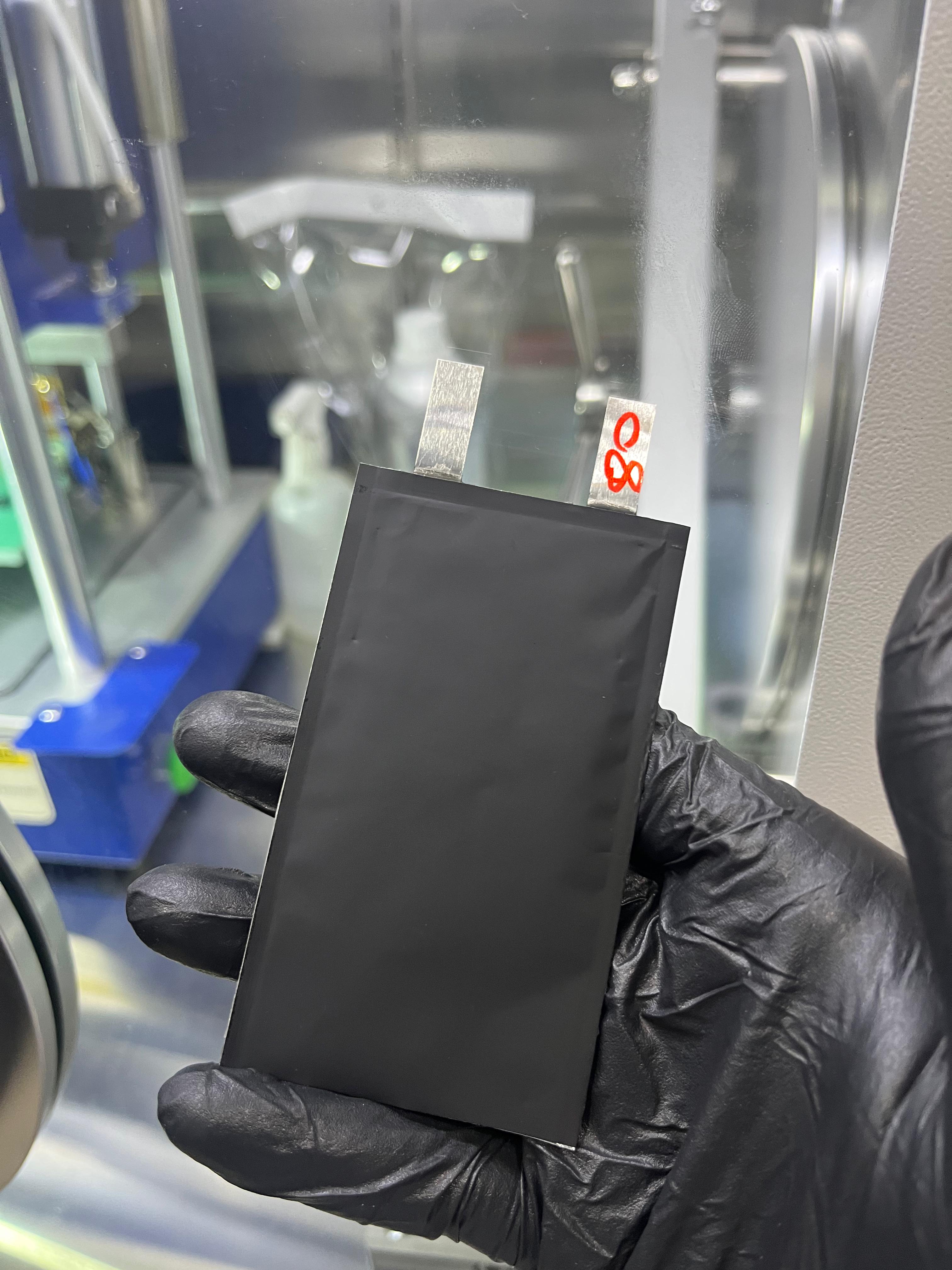
Available nowCell prototyping & evaluation
In developmentIndustrial systems & sodium-hybrid cells
Developed in Sri Lanka
Focused on South Asia
The critical moment
A brief voltage dip can reset a controller, trip a drive or interrupt a production sequence. Restoring the supply may be only the start of getting the process running again.
The useful question is what the equipment needs during that event: immediate support, time to transfer, or enough reserve to stop correctly.
The incoming supply falls outside the equipment’s operating limits.
A trip or reset can trigger a longer restart sequence.
Define the load, the support it needs and the test that proves it.
Applications
Explore support for selected equipment affected by voltage dips and brief interruptions.
Industrial continuityEvaluate the reserve needed while an external source recovers, or equipment completes a controlled shutdown.
Transfers & shutdownDevelop compact cells for pulse loads, final transmissions and brief power-loss support.
Connected devicesIndustrial systems are in development. We begin with a defined operating requirement and agreed test criteria.
The technology
Graphene-enhanced carbon electrodes in pouch cells. Developed and characterised for rapid power delivery, repeated electrical events and application-specific formats.
Explore cell prototypingA programme aimed at extending the useful power window, with larger cells and repeatable manufacture as development priorities.
Understand the directionThe work behind the technology
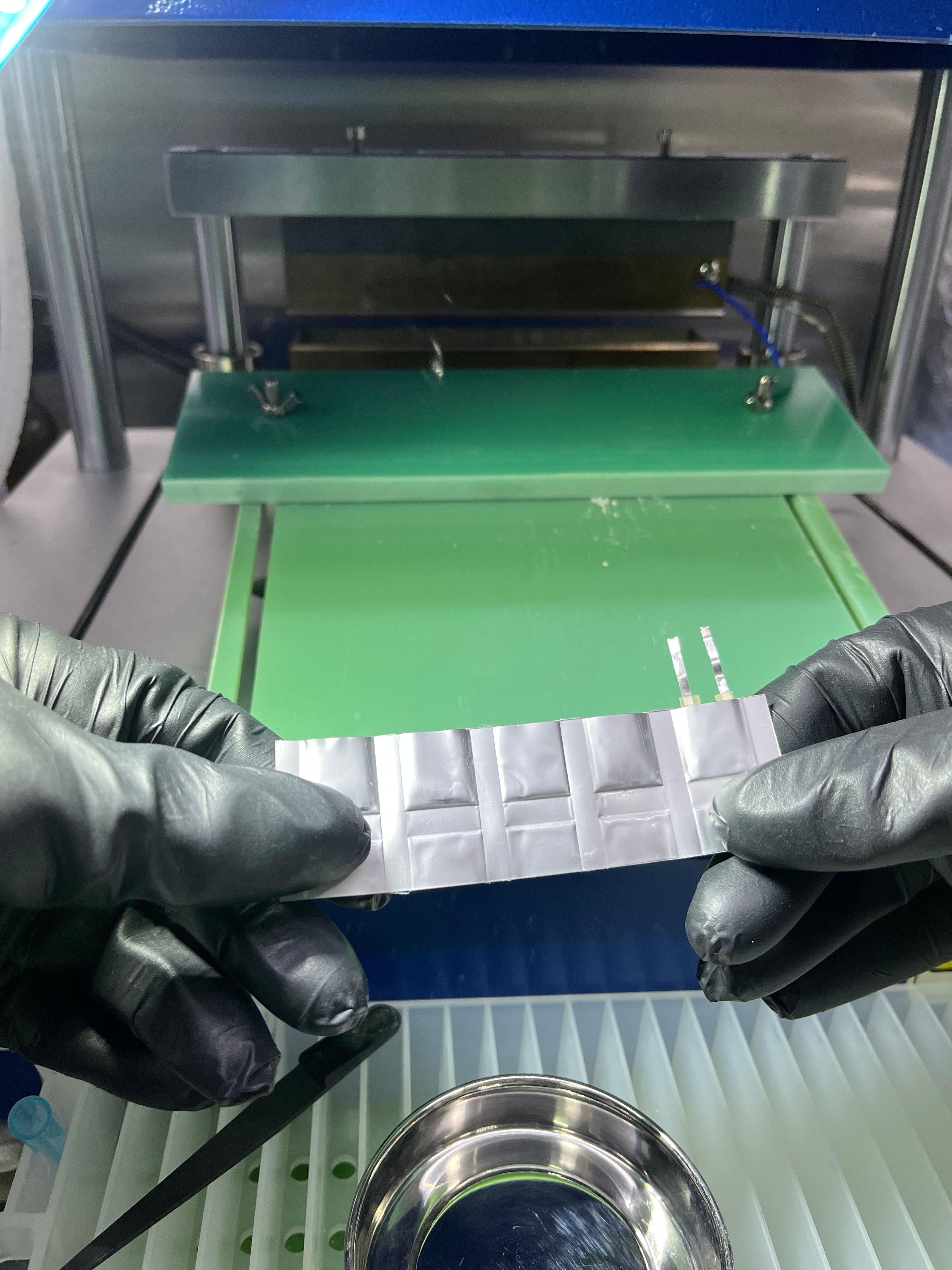
Physical prototypes. A working laboratory.
Research with a public record.
Volfpack-affiliated work explores graphene additions to activated-carbon supercapacitor electrodes.
Read the paperA laboratory process connects materials preparation with coating, pouch assembly and electrical characterisation.
See the development processLarger formats, stronger process control and application validation shape the work ahead.
Follow our progressBuilt here
Volfpack began during Sri Lanka’s 2022 power crisis. Its founders brought together product engineering and carbon-materials research around a larger question: how could more of the finished technology and manufacturing knowledge be built here?
That work has progressed from borrowed laboratory access to an in-house cell-development process. The next stage is repeatable manufacturing and industrial validation.
Meet VolfpackStart a conversation
Tell us about the equipment, the power event and what happens when it stops. A finished specification is not required.
Discuss an applicationcharlie@volfpackenergy.com